Comprehensive ABA Therapy & Child Psychology in South Florida.
We think first of the child, not the business.
Evidence-based, 1-on-1 ABA therapy in South Florida that meets your child in their world — at home, in school, and in the moments that matter. Empowering communication, easing behaviors, restoring balance for families in Broward County.
HIPAA compliant + BACB certified + AHCA compliant + FL Medicaid credentialed + Health Quality Assurance
Why families choose Children's Center for Development & Behavior
Evidence-Based ABA Therapy & Psychological Programs
Specialized programs, built for lasting change.


Clinicians who care deeply.
Meet all clinicians →
Frequently Asked Questions.
How are BLAM services delivered?
An intake is conducted by a senior member of our staff to identify your child’s current level of functioning and to identify specific skill deficits and behavioral atypicalities. Your child’s individualized program will be developed to address these specific developmental skill deficits.
In discrete trial therapy, a child works individually with the therapist. Our approach entails repeated drilling of specific skills identified as deficient until the child has demonstrated mastery of these specific skills. Typically, discrete trial therapy is provided 2 hours per day each day for a minimum of 10 hours per week. Previous research suggests that 40 hours per week is necessary to attain maximum results. However, we have been able to achieve significant results with children receiving 10 hours of therapy per week. Our patients who have participated in less than the 10 hours recommended have demonstrated much slower progress or occasionally regression in the progress of specific goals. Therefore, it is highly recommended that you entrust us with your child for the recommended 10 hours per week.
A maximum of two therapists will be assigned to work with your child. We do this to ensure that more than one therapist is familiar with your child and his individual program in the case of a therapist’s illness or other emergency. In addition, it is facilitative for your child because he/she will learn to respond to instructions given by more than one person.
What can I do to facilitate my child’s progress during the therapy session?
In order to assist us in maximizing your child’s progress we recommend that you follow these general guidelines:
- Please bring your child’s favorite items that will help us motivate your child to learn (e.g., toys, food, videos, books, etc.).
- Minimize your child’s access to these favorite items prior to therapy to ensure that your child does not tire of these items.
- If your child’s favorite items include food, do not feed him a considerable amount of food prior to therapy.
- Bring photographs of favorite items and people/places within and around your home. It is often easier to teach children specific concepts when we are working with photographs of people and items relevant to the child.
- Avoid entering the therapy room during your child’s session. Often this indicates to the child that the therapy session has ended and will trigger emotional reactions in the child when you leave the room and the therapy session resumes.
What is the Behavioral Language Acquisition Model (BLAM)?
Our Behavioral Language Acquisition Model (BLAM) is a form of discrete-trial therapy that is based on the precise principles and procedures of behavior analysis (ABA) and our current knowledge of child development. The model was developed by Lubin and Alexander in 1997 and continues to evolve as new principles are identified. The primary goal of BLAM is to address developmental skill deficits in the individual child and implement procedures in order to accelerate the child’s skills so that they may more closely resemble the skills of their age-related peers.
What is parent training?
Sometimes called caregiver training, is a structured program where the BCBA teaches parents and caregivers the same strategies used by professionals to support their child. Instead of the therapist working one-on-one with the child in isolation, parent training empowers you to become the primary agent of change in your child’s natural environment.
What is a psychological assessment?
A psychological assessment is a structured series of tests, interviews, and observations conducted by a licensed professional (usually a psychologist) to evaluate a person’s behaviors, thoughts, personality, and cognitive capabilities.
How do we get started?
- Intake: Submit an inquiry along with a diagnostic report (if applicable) and insurance information.
- Authorization: We request approval from your insurance provider for the initial assessment.
- Assessment: The BCBA conducts the evaluation and writes the treatment plan.
- Therapy Begins: Once insurance approves the treatment plan hours, your scheduling and direct sessions begin.
Is therapy confidential?
Yes. Your privacy is legally protected by strict confidentiality laws. Information cannot be shared with anyone without your written consent.
Exceptions to Confidentiality: By law, exceptions apply if there is a risk of imminent harm to yourself or others, or in cases of suspected abuse of a child, elderly person, or dependent adult.
What to expect during the therapy session?
It is not uncommon for children introduced into an intensive instructional program to exhibit some “unusual” behaviors. While these behaviors may be odd or uncommon to you as the parent, they are very typical of children initially introduced to a highly intensive instructional program.
You can expect to see the following behaviors from your child during the first two weeks of therapy and following any significant changes in your child’s program:
- Crying/Tantrums
- Vomiting
- Urination or Bowel Movements
- Aggression
- Passive Non-Compliance (closing eyes and/or not attending to the therapist)
Our therapists are trained to deal with these types of behavior. Often, children exhibit these forms of behavior to terminate or to delay an unpleasant activity that is difficult for them or that they don’t wish to engage in. While we understand that it may be difficult for you to see your child reacting in this way, our therapists are trained to deal with these types of behavior.
Can services be provided in languages other than English?
Yes. We believe that therapy is most effective when communication is natural and comfortable for the individual and their family. We strive to match families with bilingual or multilingual BCBAs and RBTs whenever possible to support primary home languages.
What can I do to facilitate my child’s progress outside of the therapy session?
Pay attention to the goals your child is working on. Use the instructions that the therapist uses during therapy sessions in the home environment. For example, if the therapist is asking your child to point to something he/she wants, ensure that he points to requested items before you provide him/her with the item.
Proudly serving Broward, Miami-Dade, and Palm Beach counties in Florida.
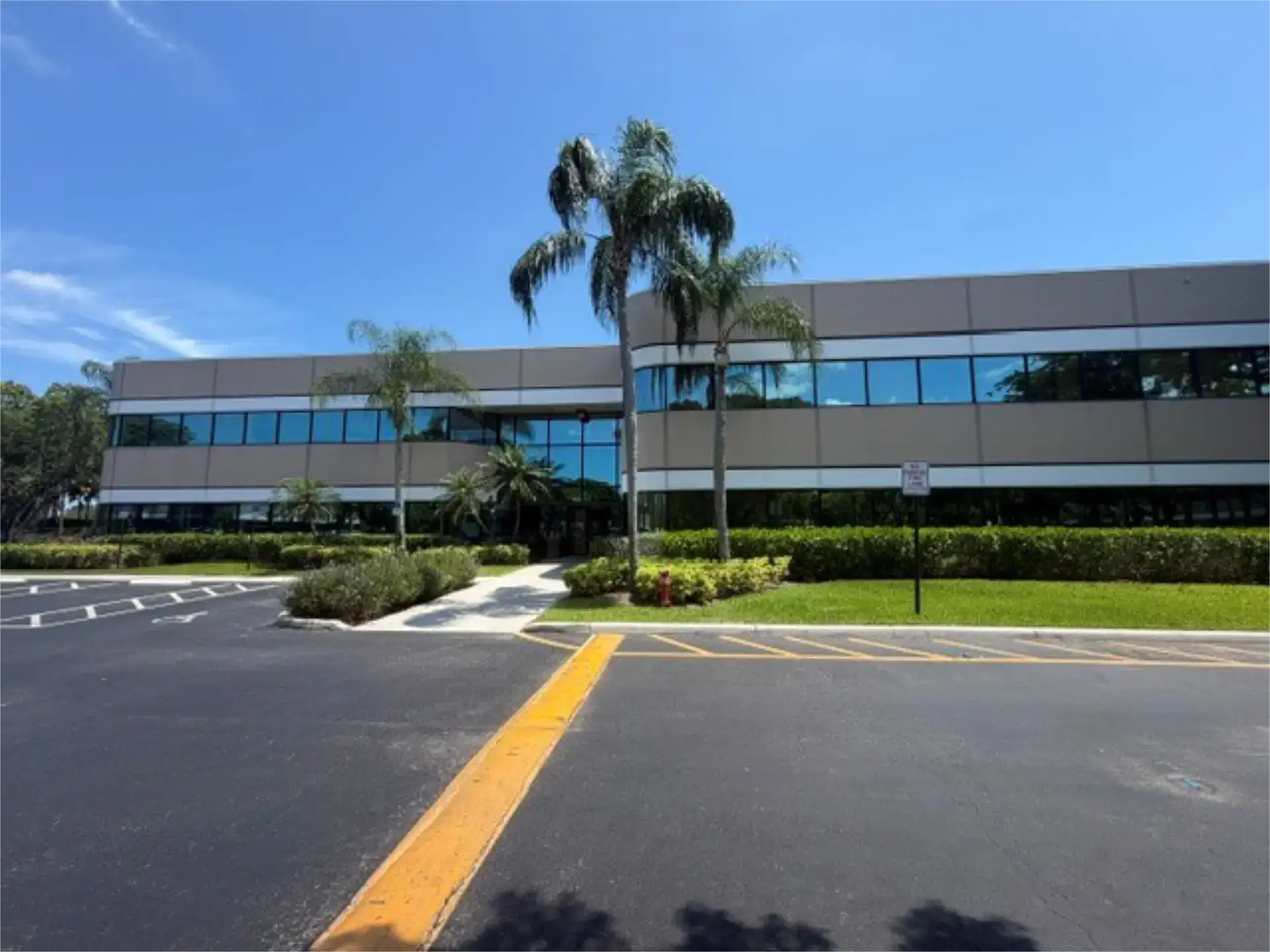
Visit our Broward office.
440 Sawgrass Corporate Parkway Suite #106
Sunrise, FL 33325
Hours:
Mon-Fri: 9:00 am – 5:00 pm
Sat-Sun: Closed
Federal Holidays: Closed